Should I buy new construction?
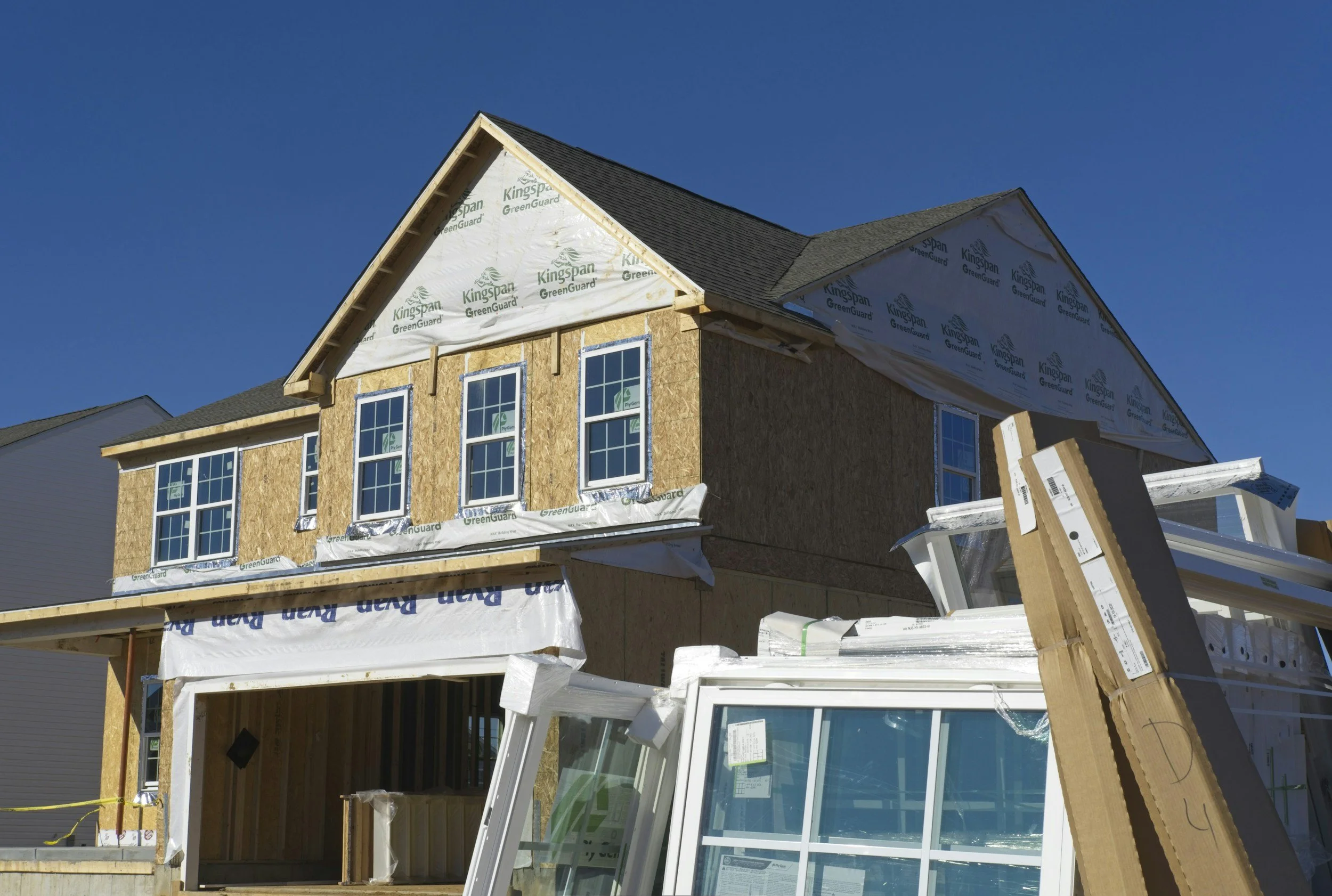
This weekend at my open house, a visitor asked what I thought about buying a new build. The home we were in was built in the 1950s, which got me thinking about how the two options really compare.
I love newly constructed homes. The floor plans are suited for modern life — open, great for entertaining, with bedrooms that often have more square footage and closets that are far better designed than those in older homes. There are usually more bathrooms, including a half bath in the main living area for guests. Appliances are all new, and the HVAC system and roof are brand new too. Physically, new construction homes have a lot going for them.
These communities often include great amenities: new parks and trails, community events coordinated by the builder's marketing team, pools, a clubhouse, a fitness center, and more.
Financially, there are good reasons to consider new construction as well. Builders can pre-purchase mortgage rates and often offer lower rates than other lenders — if you use the builder's preferred lender for your mortgage.
At the end of the day, new construction can give you everything new, designed for life in the 21st century, often with more square footage, for a lower monthly cost than an existing home with the same price tag in a more established part of the metro.
A Few Things to Watch For
If you buy in a new-build community, plan to stay in your home until the builder finishes the neighborhood. If you try to sell before construction wraps up, you'll be competing against homes that are newer, unused, and backed by builder mortgage incentives. To compete, you'd likely need to price your home well below what you paid.
I currently have clients shopping for new construction. One reason they were drawn to a particular builder was an advertised mortgage rate "as low as $X," with a rate buy-down from the builder. When we visited in person, though, we learned that rate was only available with a 25% down payment and a perfect credit score. Read the fine print on those advertised payments.
Pricing on these homes is based on something called the "base price." Everything included at that price is "builder grade." Any changes to the base plan come with extra fees — and if you upgrade a finish, you'll pay for the finish itself, the labor to install it, and a change fee.
The Appliance Gap
These homes typically don't include a washer, dryer, or refrigerator. I've asked several salespeople why, and the answers never quite add up. Some say buyers can't agree on one type of refrigerator, so the builder lets buyers choose their own to avoid conflict. Others say a refrigerator is simply a design element people want to pick out themselves. But a stove is always included, and people are just as particular about that appliance as any other in the kitchen.
My guess: it's about cost. To get a certificate of occupancy, you need a stove — but a refrigerator isn't required. Since it's optional, builders save $500 or more per unit by leaving it out. Budget for appliances when you're pricing out new construction.
Taxes and Fees to Budget For
Some other costs to know about include Metro Tax District fees. New construction requires new infrastructure — roads, sewer lines, electrical lines, and more — to make the homes livable. Developers cover part of that cost, but in Colorado, they're allowed to pass some of it on to buyers through metro tax districts. This is an additional annual tax on top of your regular property taxes.
Speaking of taxes: the prior year's tax amount listed in the MLS is usually based on the land alone, before the home was built. Once the house is added, the property's value — and its taxes — go up accordingly. I've seen taxes jump from $980 before closing to $6,782 the following year. Most increases aren't that dramatic, but expect your property taxes to rise once the home is complete and a new value is established.
Working With a Realtor
If you plan to have an agent represent you, many builders will pay your agent's commission. Just be aware that many builders require your agent to be with you at your first in-person visit — if you show up without representation, the builder may refuse to pay that commission later, leaving you to cover the cost.
The Trade-Off With Location
Local businesses take time to catch up to new development. You may have to drive a little farther for your favorite grocery store or big-box retailer. Locally owned restaurants will eventually move in, but likely fewer than you'd find in a more established Denver-metro neighborhood.
The Bottom Line
New construction is a great fit if you plan to stay in the home for at least a few years after the community is finished, you've budgeted for appliances and rising taxes, and you bring your realtor along from the very first visit. If that's you — and you love being part of something new — it might be exactly the right move.
